Jonathan Scoffin
Welcome
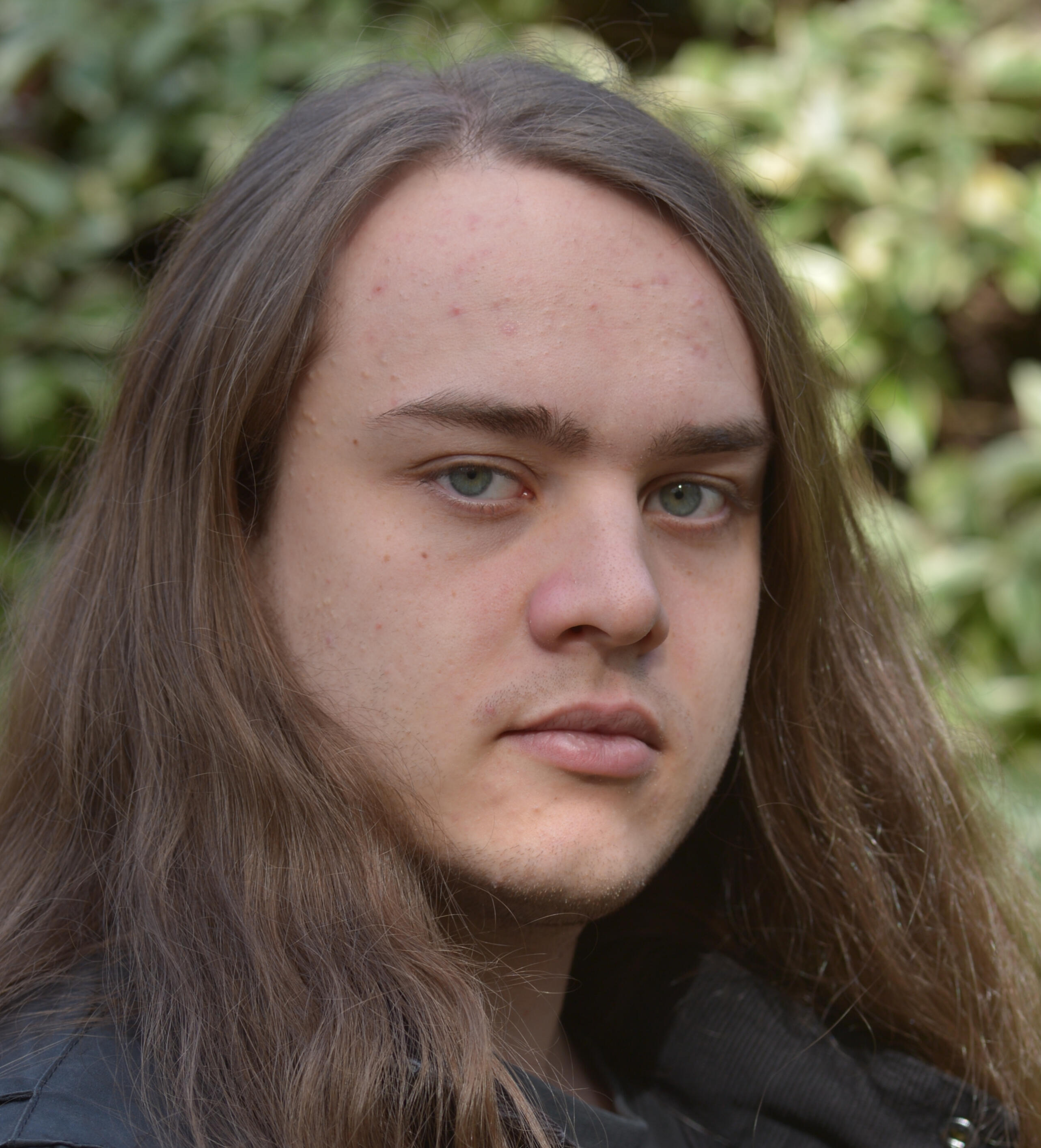
Hello! Welcome to my games design portfolio. I'm Jonathan Scoffin, a UK games designer with a specialisation in systems and technical design.I've recently graduated from the University of Staffordshire with a first-class degree in Gameplay Design and Production, and I'm seeking to apply the skills I've learnt and developed throughout my education to bridge the gap between creative visions and technical implementations in games development.
Below you can see some of my projects and awards, or click the links above to see my design documentation or learn more about me!
Awards & Nominations
| Position | Award | Project |
|---|---|---|
| Nominated | TIGA Best Arcade Game 2026 | Chamber |
| Winner | Gamebridge 2026 Design Excellence | Tiny Shaders |
| 1st Place | 2026 UoS GradEx (Game Prototypes) | Tiny Shaders |
| Overall Winner | 2026 UKIE Student Game Jam | Conformity Cubed |
| Overall Winner | 2025 UKIE Student Game Jam | Scryer's Shadow |
| Nominated | TIGA Best Student Game 2025 | Pushy Plushy |
| Nominated | TIGA Best Social Game 2025 | Crabsticks |
| Nominated | TIGA Creativity in Games Award 2025 | Crabsticks |
| Nominated | TIGA Best Casual Game 2025 | Crabsticks |
| Finalist | YGD BAFTA 2022 | Deep Sea Scuttle |
Projects
Customise each bullet in your six-shooter in this roguelike barrel-builder FPS!
| Year | 2026 |
| Engine | Unreal 5 |
| Roles | Design |
| Genre | First-Person Shooter |
Take upgrades to become the most powerful mage in this 2 to 4 player party game!
| Year | 2026 |
| Engine | Unreal 5 |
| Roles | Design, Production |
| Genre | Party |
Wire together simple blocks to create tiny shaders in this programming puzzle game!
| Year | 2026 |
| Engine | Unity 6 |
| Roles | Solo Developer |
| Genre | Puzzle |
Shift blocks into place in this mind-bending 3D puzzle game that won the 2026 UKIE Student Game Jam!
| Year | 2026 |
| Engine | Unity 6 |
| Roles | Design, Coding |
| Genre | Puzzle |
About
Hi! I'm Jonathan, a recent first-class Games Design and Production graduate at the University of Staffordshire!I'm incredibly passionate about building experiences for players, combining creativity with technical skills to produce engaging and unique games. Throughout my journey making games, I've sought to acquire a diverse range of skills, which have helped me understand the different aspects of games development. I'm always looking to challenge myself and learn new things!
I've been coding from a young age, and I've always been interested in using those skills to make games. Naturally, I was very happy to find my local college had a games design course I could enrol in. There, I developed my technical skills and learnt design theory, skills which I built on while attending the University of Staffordshire.
Interests
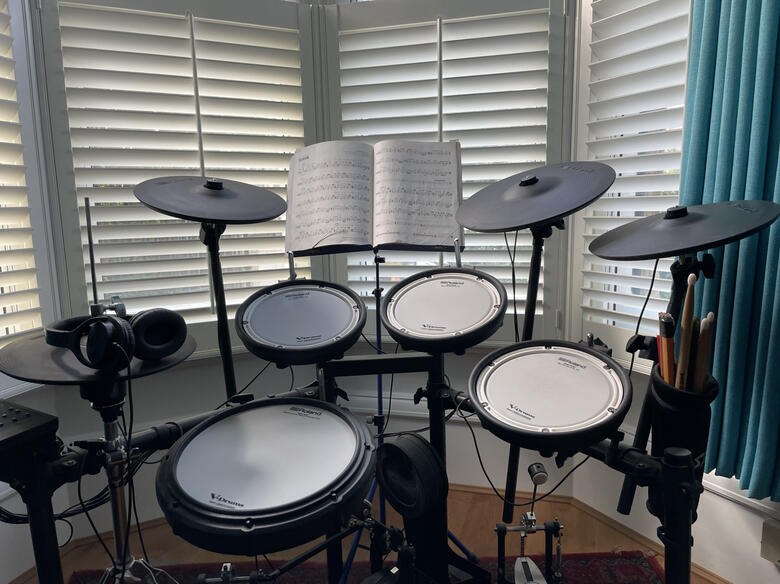
I really enjoy music, and I've been playing the drums since I was 11. I'm really passionate about playing the drums, and I love playing music with tricky time signatures and rhythms!I also really enjoy playing video games, of course! Some of my favourites include Outer Wilds, Return of the Obra Dinn, and Grim Fandango!

I love F1, and have had a great time seeing the Grand Prix at Silverstone!Some of my favourite racing games include Trackmania, Forza Horizon, and the F1 series!
Contact
Feel free to contact me through my email: [email protected], or add me on LinkedIn!
Projects
Take upgrades to become the most powerful mage in this 2 to 4 player party game!
| Year | 2026 |
| Engine | Unreal 5 |
| Roles | Design, Production |
Build a castle and battle your friends in this pvp tower defence game!
| Year | 2026 |
| Engine | Unreal 5 |
| Roles | Solo Developer |
Compete to be the top crab in this unique 2 to 4 player physics-based party game!
| Year | 2025 |
| Engine | Unreal 5 |
| Roles | Production, Design |
Ruin your friendships in this cute and chaotic 2 to 4 player party game!
| Year | 2025 |
| Engine | Unreal 5 |
| Roles | Production, Design |
Master complicated polyrhythms in this drumming rhythm game!
| Year | 2025 |
| Engine | Unity 6 |
| Roles | Solo Developer |
Work together to navigate a derelict space station in this 2-player experimental co-op horror game.
| Year | 2025 |
| Engine | Unreal 5 |
| Roles | Design, Development, Production |
Old Projects
These older projects are less indicative of my skill today, but you can still check them out here!
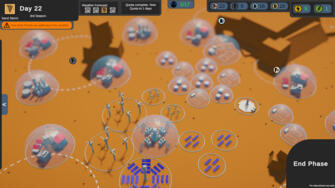
Build a colony on mars and survive the harsh conditions!
| Year | 2025 |
| Engine | Unity 6 |
| Roles | Design, Programming |

Lie on your CV and struggle to complete several jobs that you are certainly unqualified for!
| Year | 2024 |
| Engine | Unity 2023 |
| Roles | Design, Programming |
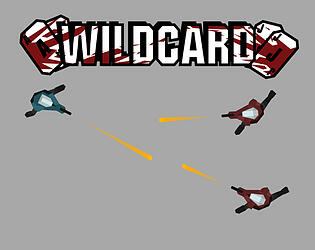
A small top-down roguelike shooter, where you acquire upgrade cards to increase your power!
| Year | 2023 |
| Engine | Unity 2022 |
| Roles | Design, Programming, Art |
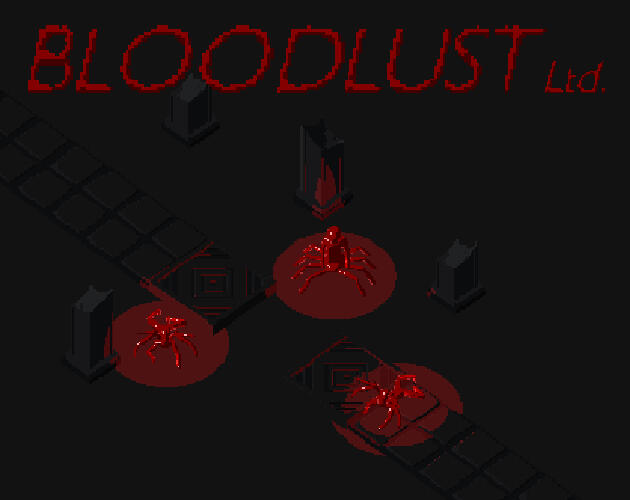
An arcade hack n' slash roguelite set in hell! Collect blood, upgrade your abilities, and gather as many souls as you can for Bloodlust Ltd.
| Year | 2023 |
| Engine | Unity 2022 |
| Roles | Design, Programming, Modelling |

Blast enemy ships out of the sky in this fast-paced spaceship dogfighting game!
| Year | 2022 |
| Engine | Unity 2022 |
| Roles | Design, Programming, Modelling |

Become a pirate and race your friends to treasure island in this YGD Bafta nominated 2-4 player party game!
| Year | 2021 |
| Engine | Unity 2019 |
| Roles | Design, Programming, Modelling |
Game Jams
Shift blocks into place in this mind-bending 3D puzzle game that won the 2026 UKIE Student Game Jam!
| Year | 2026 |
| Engine | Unity 6 |
| Roles | Design, Programming |

Catch a masked killer and solve a string of murders in this detective puzzle game!
| Year | 2026 |
| Engine | Unity 6 |
| Roles | Design, Programming |
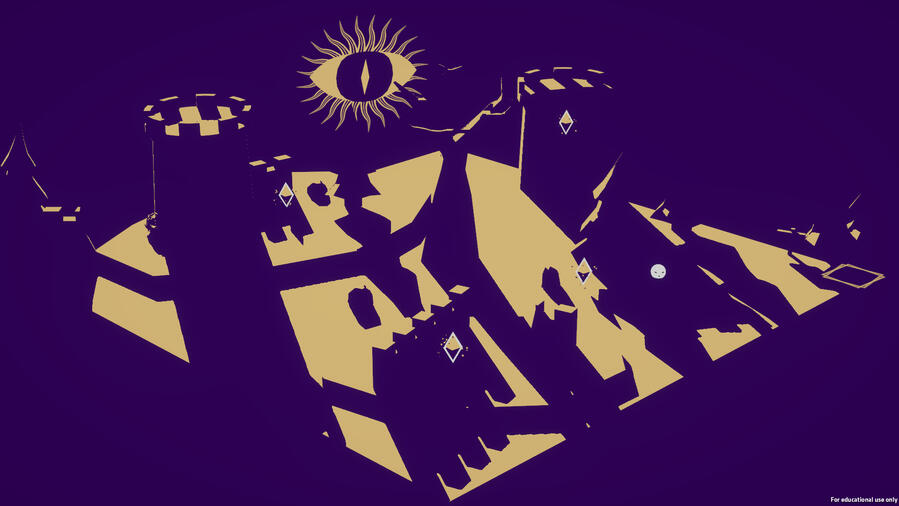
Jump between shadows and avoid the light in this abstract platformer that won the 2025 UKIE Student Game Jam!
| Year | 2025 |
| Engine | Unity 6 |
| Roles | Art, Design, Programming |
Documentation
Here I've compiled some of the design documentation I made for a large student project creating a 2-4 player party game during my third year at university.
I created this game design document during my third year at university for my final year project, Tiny Shaders.
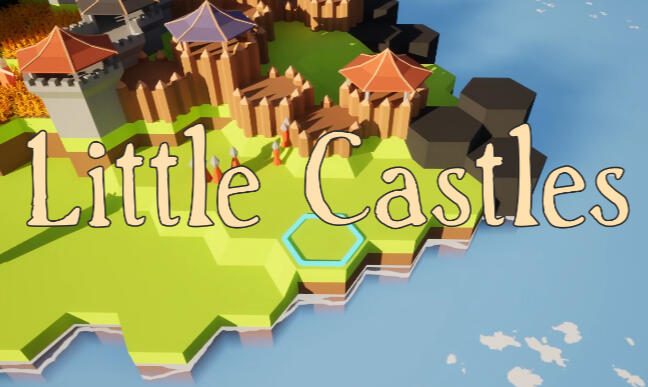
I created this technical design document during my third year at university for a solo project called Little Castles.
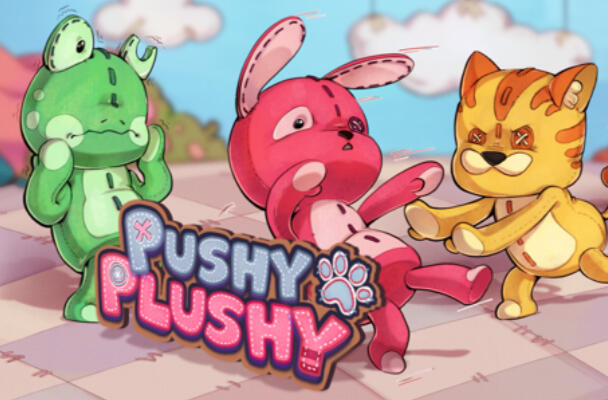
I created the template for this GDD and worked on it alongside 5 other designers during my second year at university, for a 2 to 4 player party game.
I created this design document during my third year at university, for a solo project called Polybeat.

I created this design document during my second year at university, for a level I made using an existing framework called Lancer.


| Year | 2026 |
| Engine | Unreal 5 |
| Roles | Design |
| Team Size | 30 |
| Context | Paid Internship |
| Genre | First-Person Shooter |
Worked as a design lead in a paid industry setting.
Designed and balanced bullets & upgrade system.
Built engine tools to allow artists and designers to work efficiently in-engine.
Designed and built roguelike level generation system for procedurally building levels from handmade prefabs.
Created and maintained design documentation throughout development.
Chamber was a 7-week long project I participated in as part of the University of Staffordshire's 1up programme - a highly coveted paid summer internship developing games alongside top students and lecturers in an industry setting. Chamber is a roguelike barrel-builder FPS where the player customises each of the bullets in their six-shooter!In this project, I acted as the design lead, and a technical designer. I had a variety of responsibilities throughout the development process, and my work on the project included:
Organising the design team and communicating with other teams
Delivering feature progress reports to project managers
Building engine tools for other designers and artists
Writing and maintaining technical and design documentation
Level design
Balancing
Designing and prototyping mechanics
I also wrote the music for the game!
Below, I have gone into further detail about some of my contributions to the project:




| Year | 2026 |
| Engine | Unreal 5 |
| Roles | Design, Production |
| Team Size | 27 |
| Context | University Module |
| Genre | Party |
Gained valuable leadership experience producing a 2-4 player party game in a team of 27 students.
Designed and iterated upon combat and upgrade systems with a focus on approachability and systemic design.
Designed and built game UI, focusing on unique yet clear communication.
Designed and implemented 6 unique gamemodes in-engine, building core functionality for handling scoring and game state.
Created and maintained design documentation throughout development.
Voted #2 out of 37 games in the 2026 Collab Student's Choice Award
Runes & Rites was a 27-person project I participated in over the course of 8 weeks in my third year of university. It's a 2-4 player party game where you fight your friends and take upgrades between rounds to become the strongest wizard!On the project I worked both as a designer and producer. My responsibilities as a producer included:
Organising the team and facilitating communication between disciplines
Creating and adhering to weekly objectives as part of a wider development timeline
Organising and compiling QA data from playtesting sessions
My main contributions as a designer included:
Designing and iterating on the combat and upgrade systems
Designing and implementing the game's UI
Designing and implementing the gamemodes
I also made SFX and produced the music for the game!


Overall, this project was an amazing experience designing and building technically complex systems, and working around tricky design constraints to build a game that's easy to pick up, but has a good deal to offer when you get into it!You can play the game on Itch here and read the design documentation I created here.At the end of the module, awards and nominations were given out to some of the 37 teams. Runes & Rites was voted #2 out of 37 other games in the Student's Choice award, and was nominated for Best Audio, Best Art, Best Game, and Best Promotional Materials!



| Year | 2026 |
| Engine | Unreal 5 |
| Roles | Solo Developer |
| Team Size | Solo |
| Context | University Module |
| Genre | Tower Defence |
Designed and implemented a 1v1 take on the tower defence genre.
Created a free-form castle building system in Unreal Engine with dynamic mesh generation to allow terrain and castle pieces to smoothly connect together.
Used C++ and multithreading to efficiently implement AI pathfinding algorithms using vector fields.
Built and iterated upon custom AI systems with a focus on optimisation and efficiency.
Created and maintained design tools for building symmetrical levels in a hexagonal grid.
Little Castles was an 8-week long project I did in my third year of university, as part of the technical prototyping module.In this project, I really wanted to challenge myself in implementing difficult technical features. This included:
An interactable hexagonal grid system
Dynamic mesh generation for terrain and castle pieces
Custom AI pathfinding algorithms
the primary challenge was implementing the hexagonal grid. Taking the time to plan out my classes before implementation allowed me to build the systems cleanly and modularly.
Class diagram for the hexagonal grid system

Activity diagram for the hexagonal grid system initialisation chain

Dynamic mesh generation was another key challenge. I opted to build my terrain meshes at runtime by procedurally generating mesh data in-engine, allowing the terrain pieces to smoothly blend into each other. Keeping clear documentation for myself was key in staying organised, and aided me massively in building my triangulation tables.
Vertex indeces diagram for procedural terrain mesh generation

Triangulation diagram for raised and unraised vertices

I also built tools for myself using Unreal's editor utility widgets feature, which made building the levels much easier as I could quickly perform helpful actions such as snapping objects to the hexagonal grid, or mirroring the level about a point.
Screenshot of the project in-editor, with my custom grid tools open on the right

Most of these features were implemented using Unreal's blueprints, though I utilised C++ to implement multithreading for some of the more costly algorithms. Performance and optimisation was a key focus, and I went through several rounds of optimisations using Unreal's profiling tools to ensure efficiency.This was a great experience to challenge myself technically and learn key optimisation skills, both in Unreal engine specifically and with games development generally.You can read the TDD for the project here.



| Year | 2026 |
| Engine | Unity 6 |
| Roles | Solo Developer |
| Team Size | Solo |
| Context | University Module |
| Genre | Puzzle |
Designed and built an open-ended puzzle game as part of my Final Year Project.
Focused on providing simple components that players can combine to create complex emergent behaviour
Designed 8 puzzles that gradually build upon previous ideas, naturally tutorialising the player to both the base mechanics and emergent dynamics of the puzzle gameplay.
Technical focus on efficiency and runtime optimisation, allowing player-built algorithms to be run and verified against test cases quickly.
Won 1st place at the university's 2026 Graduate Exhibition, in the Games Prototypes category, and won the Design Excellence award at Gamebridge 2026.
Tiny Shaders was a 16-week long project I did in my third year of university for my Final Year Project (FYP).As a big fan of the Zachtronic games and other "Zach-Likes", I chose this project for my FYP as an opportunity to explore what makes this open-ended (sometimes called design-based) puzzle genre tick. To make Tiny Shaders an engaging open-ended puzzle game, my core pillars included:
Giving the player simple building blocks, with which they can create complex emergent algorithms.
Giving the player clear goals and constraints, while letting the player be free to create their own designs within these boundaries.
Pushing the player to optimise previous solutions by giving multiple different ways to measure their success (cycle count, blocks used, space used)
Designing the core game rules to achieve the design goals stated above took multiple rounds of iteration, moving from having several different data types (floats, ints, vectors, textures), to just 2 (ints and textures), eventually to just 1 (ints), as well as changing what operations will be available (removing the focus on matrices and other complex mathematical operations towards simpler building blocks).
Designs for 2 of my blocks in the GDD during the prototype stage

The same blocks as seen in-game

Once this process was complete, I validated my design with an incredibly simple prototype. I designed the shapes of my blocks, came up with some puzzles, and drew up potential solutions. In doing so, I was effectively playtesting the game by challenging myself to build a solution to these problems.
A solution for the division puzzle in the GDD during the prototype stage

The same solution in-game, slightly reconfigured to fit the grid

Completing these puzzles validated that this core experience was enjoyable, and helped me significantly in understanding the types of problems I wanted to challenge players with. These problems involved utilising and combining the components in unique ways by discovering different ideas or reframing their perception of the game mechanics.After having built the core functionality in-engine, the focus shifted to tutorialisation and balancing, for which I organised several playtesting sessions. After each session, I was able to refine the onboarding and tutorialisation process and tweak the difficulty curve. One key improvement I made was breaking up puzzles such that players can gradually learn new ideas. Where I had puzzles require the player discover several new ideas at once to solve it, I broke these up into multiple puzzles that required the player to slowly build upon their knowledge from the previous puzzle, creating a satisfying and rewarding sense of progression in the player.This was a great experience for me in developing a game in a new and challenging genre, and I'm very pleased with the result. I'm currently working on it further to release a full version as a commercial product on steam!Tiny Shaders won 1st place at the university's 2026 Graduate Exhibition in the Games Prototypes category and won the Design Excellence award at Gamebridge 2026. You can read the GDD for the project here, and download the game from itch here.


| Year | 2025 |
| Engine | Unreal 5 |
| Roles | Design, Production |
| Team Size | 15 |
| Context | Paid Internship |
| Genre | Party |
Worked as a game designer in a paid industry setting
Designed and implemented core gameplay systems in Unreal Engine, with a focus on ease-of-use and modularity.
Designed and implemented multiple minigames, focusing on approachability and designing novel gameplay ideas without overwhelming or confusing new players.
Created and implemented UI designs, with a focus on clarity and quick communication of essential information.
Nominated in 3 categories at the 2025 TIGA awards.
Crabsticks was an 8-week long project I participated in as part of the University of Staffordshire's 1up programme - a highly coveted paid summer internship developing games alongside top students and lecturers in an industry setting. It's a 2-4 player physics-based party game, where you compete against your friends across a large variety of ball games!In this project, my primary role was as a technical designer, where I:
Designed and implemented gamemodes, with a focus on promoting interesting and evolving player dynamics.
Built modular core gameplay systems including goals, ball varieties, and scoring zones for use across multiple various gamemodes.
Built and iterated on level designs, creating easily navigable spaces that complimented the mechanics of each gamemode.
I also worked as a producer, organising tasks and communicating between disciplines.
Some of the documentation I produced for the gamemodes I designed and implemented


A comparison between my initial level concept and the final implemented version, showcasing the iteration involved in one of the levels I designed.


Crabsticks was an excellent opportunity to learn under expert guidance and leadership from the university lecturers, and to explore creative ideas in this unique game concept. I really valued the time I had on the project, and it really helped to develop both my practical design skills, as well as soft teamwork and collaborative skills, learning from both my peers and leaders.Crabsticks was nominated for 3 TIGA awards in the categories of Social Game, Casual Game, and Creativity in Games!


| Year | 2025 |
| Engine | Unreal 5 |
| Roles | Design, Production |
| Team Size | 26 |
| Context | University Module |
| Genre | Party |
Gained valuable leadership and production experience working in and leading a large team.
Designed and implemented multiple minigames, with a focus on promoting player interaction and creating engaging gameplay dynamics.
Created, organised, and maintained design documentation throughout.
Implemented and organised low-level systems in Unreal Engine, allowing other designers and developers to work efficiently.
Nominated for TIGA Best Student Game in 2025.
Pushy Plushy was a 26-person project I led as producer over the course of 8 weeks in my second year of university. It's a 2-4 player party game revolving around a series of minigames with wacky modifiers that pit you and your friends against one-another!In this project I worked as the team's producer, where I had to organise a team spanning several different disciplines, manage deadlines, and resolve disputes.I also worked as a designer, concepting and implementing mechanics and minigames, as well as helping to organise and maintaining the game design document. You can read the full GDD here.
Some of the documentation I produced for the GDD


My design work involved work in-engine, creating high-level systems such as the grapple grab minigame, organising low-level systems to allow others to work efficiently, and resolving bugs throughout.
Flowchart for the functionality of the grapple hook item, the central mechanic of the grapple grab minigame I built.

Additionally, I wrote the music for the game, which you can listen to here!This project has been a brilliant opportunity to get experience with organising and leading a large team, creating supporting documentation, and managing and delivering on goals. Pushy Plushy was nominated for TIGA's Best Student Game 2025.



| Year | 2025 |
| Engine | Unity 6 |
| Roles | Solo Developer |
| Team Size | Solo |
| Context | University Module |
| Genre | Arcade Rhythm |
Designed and developed an arcade rhythm game with an aim to teach players real drumming skills through difficult polyrhythms.
Utilised a physical electronic drumkit to pass midi inputs to the game, allowing players to use a drumkit as the game controller.
Significant design focus on polish, game feel, and customisation.
Uses songs from KGLW's Polygondwanaland album, which heavily utilises polyrhythms, and was released under an open licence, free for fans to use!
Polybeat was a solo project I completed in my second year of university, for the Arcade Games Development module. It's an arcade rhythm game that tries to teach real drumming skills through challenging the player to learn and master tricky time signatures and strange polymetres. The game is themed around the band King Gizzard and the Lizard Wizard, and utilises songs from their Polygondwanaland album, which was released under an open license, free for fans to use.While the game accepts keyboard inputs, I was very interested in connecting a real electronic drumkit to the game. This proved incredibly engaging for players, though presented interesting technical and design challenges. getting UI navigation with a drumkit feeling natural was something that required extensive iteration and user testing.
The drumkit and bindings for menu navigation.


Working on this project was a real joy, as I greatly enjoy both drumming and KGLW's songs. A core focus of this project was teaching new players drumming skills. I implemented 5 different difficulty settings and went through several different balance passes with playtesters at a variety of drumming skill levels, tweaking the difficulty to ensure that all players can participate, enjoy, and learn drumming skills in the game.A focus of the arcade module was ensuring the experience would function as an arcade machine. For this, I implemented an attract screen, leaderboard system, and arcade mode. I also placed a significant focus on the user experience and customisation options. I included control rebindings, volume controls, input delay customisation, a low flashes mode, and a setting to display the songs in proper drumming notation. Game feel was also a design focus, and I put effort into ensuring hitting each note felt impactful.Programming a rhythm game led to a series of technical issues I had to overcome. Some areas of game logic were programmed to run on Unity's audio thread, ensuring the note detection stayed in-sync with the music. Additionally, creating charts by manually defining the position of each note in a table would be an incredibly tedious way to create levels, so I developed a pipeline for me to be able to create midi files in a DAW and export them into Unity, having the notes be read and converted into level data. This sped up the development of new levels significantly.You can download the game from itch here, and read the GDD here.



| Year | 2025 |
| Engine | Unreal 5 |
| Roles | Design, Coding |
| Team Size | 2 |
| Context | University Module |
| Genre | Co-op Horror |
Designed and developed experimental asymmetrical co-op gameplay with a focus on promoting player communication, taking inspiration from Keep Talking and Nobody Explodes and Duskers.
Implemented networking and online multiplayer systems within Unreal Engine, allowing players to host and connect in a P2P model.
Used physical items such as a printed mission briefing, walkie-talkies, and a custom Arduino-powered controller to enhance player immersion.
Echoes of Emptiness was a two-person project I did in my second year of university. It's an asymmetrical 2-player co-op horror game, where the copilot player must guide the pilot player through a level and help them avoid the dangers that lurk in the darkness.With this project, I wanted to achieve an immersive horror experience by bringing game elements out of the screen for the player to physically interact with, including a custom controller, walkie-talkie, and a physical mission briefing document. these physical items deliver an immersive and novel way of interacting with the game, increasing player immersion.My responsibility in this project was designing and implementing the mechanics of the game, while my teammate focused on creating supporting documents and adding sounds. A significant technical challenge was setting up the game to work with multiplayer networking, using Unreal's replication systems. Having completed this project, I feel confident in my ability to use networking in future projects.You can download the game from itch here, and read the GDD and supporting documents here.

| Year | 2023 |
| Engine | Unity 2022 |
| Roles | Design, Coding, Art |
| Team Size | 3 |
| Context | College Project |
| Genre | Roguelike Shooter |
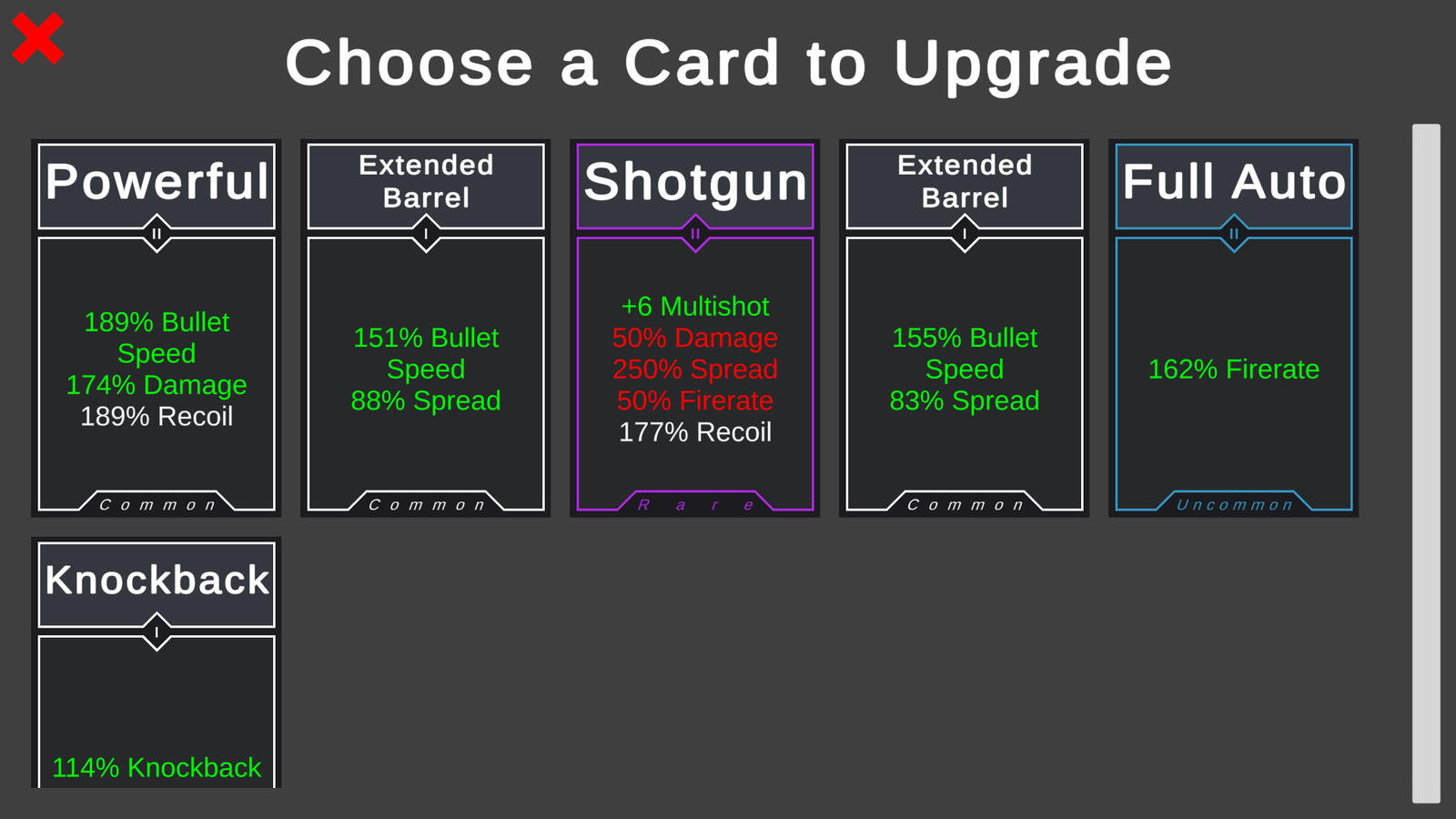
Build upon previous experience designing an upgrade system to develop an engaging and repayable experience
Programmed multiple custom pathfinding algorithms in C# to ensure enemies feel intelligent when fighting against them.
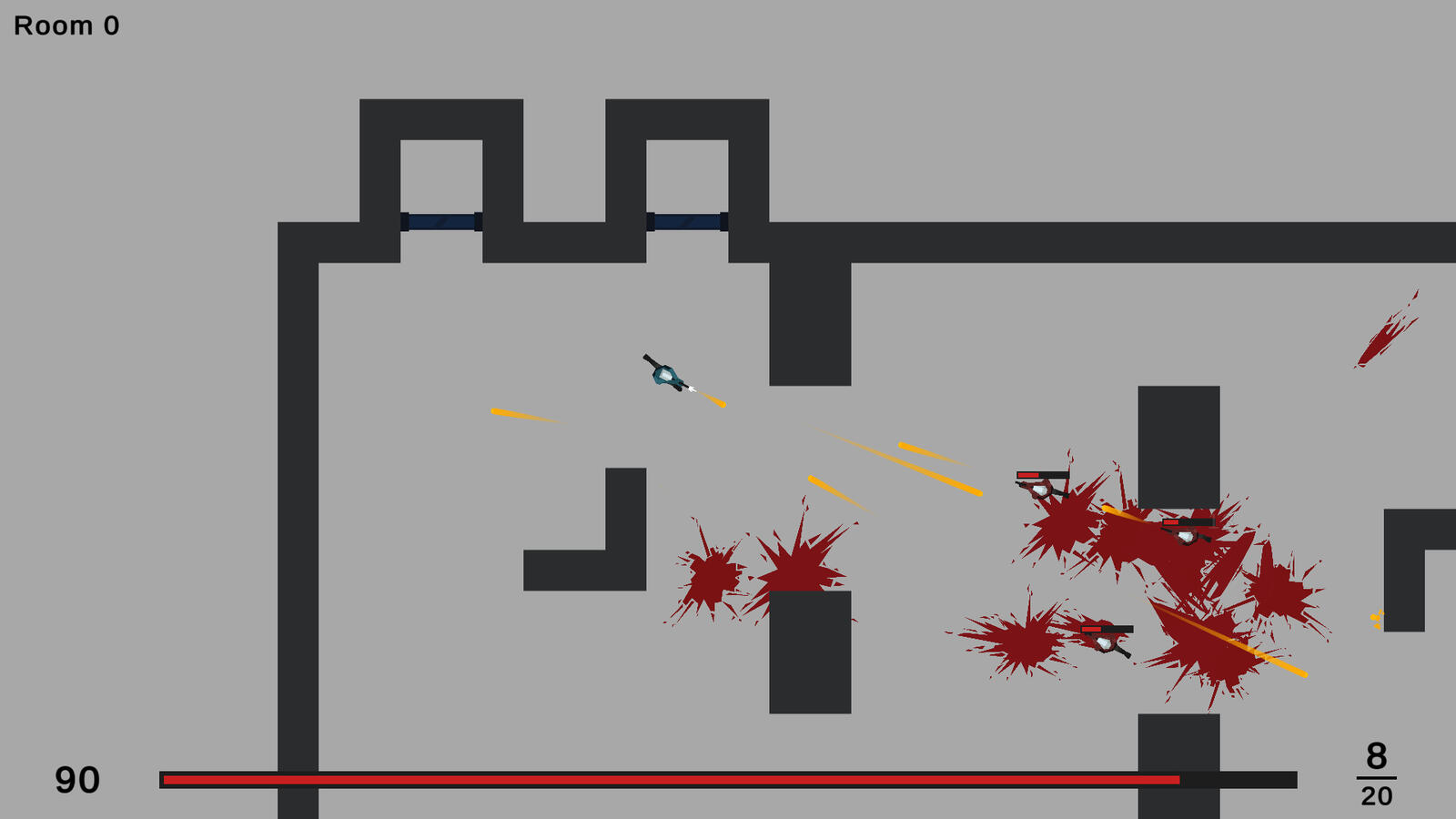
Significant focus on game feel implementing satisfying visual effects.
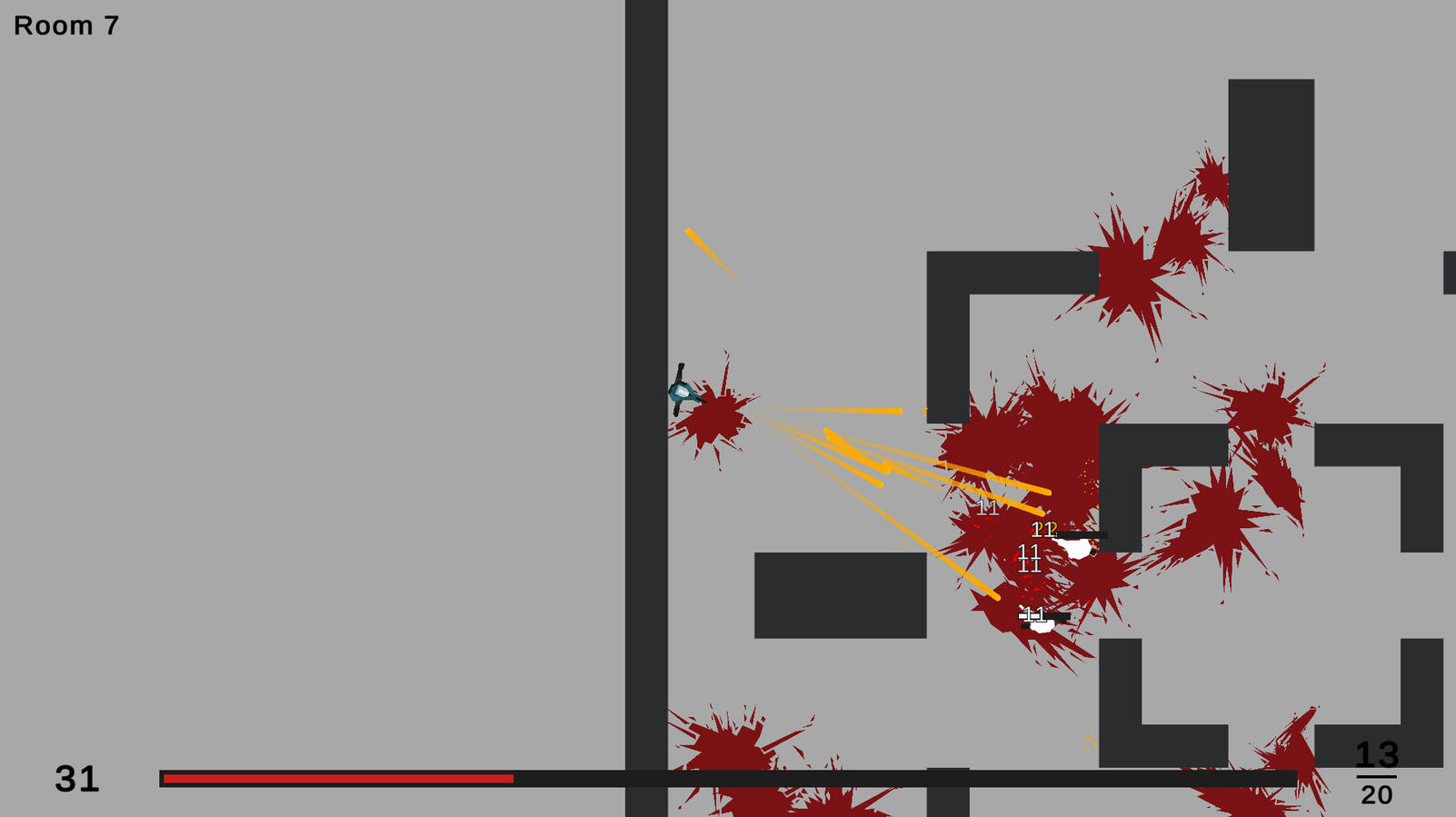
Wildcard was a 3-person project that I led for my final major project (FMP) in my second year in college.The gameplay revolves around progressing through a series of encounters, dodging bullets and eliminating enemies, and upgrading your weapon as you progress.A focus of this project was attempting to revisit and improve the central card upgrades mechanic of my previous project, Bloodlust Ltd. Wildcard, albeit less visually impressive, has far better balancing in the difficulty levelling and upgrades mechanics than Bloodlust Ltd. In Wildcard, I removed the limit on how many upgrades can be equipped, and introduced the mechanic of improving existing upgrades. I also aimed to explicitly tailor the upgrades towards certain builds, such as making a sniper rifle, a cannon, or a shotgun. Additionally, the code I wrote was a lot more easily extendable, allowing me to implement more upgrades.Another focus was on improving game-feel. I accomplished this with the use of screen-shake, time-stop, zooming, flashing, blood splatter, and several particle effects.My responsibilities in this project were designing, coding, and implementing the gameplay mechanics, adding the particle effects, and drawing the blood-splatter and character art.You can download the project from itch here.
Bloodlust Limited


| Year | 2023 |
| Engine | Unity 2022 |
| Roles | Design, Coding, Art |
| Team Size | 3 |
| Context | College Project |
| Genre | Roguelike Hack n' Slash |
Designed and developed dynamic upgrade system, ensuring gameplay is replayable and progression feels rewarding.
Coded a custom inverse kinematic system in C# and implemented a phong shading model in shader graph to create a unique arstyle and make enemies feel alive.
Designed and iterated upon combat mechanics to achieve simple yet satisfying hack n' slash gameplay.
Programmed custom enemy AI and pathfinding to create engaging combat encounters.
Bloodlust Ltd. was a 3-person project I led in my second year of college. It is a hack n' slash roguelite set in hell, where the player can purchase upgrades by collecting and spending the blood of their enemies.A core focus of this project was researching the history of the roguelite genre, and implementing similar arcade mechanics. The enemies spawned and layouts of each floor are procedurally generated, and the game is effectively endless.My responsibility in this project was designing, coding, and implementing the gameplay mechanics, as well as modelling the environment and enemies. My teammates were responsible for modelling the character (which ultimately did not get finished in time), and weapons.You can download the project from itch here.
Deep Space Ace


| Year | 2022 |
| Engine | Unity 2022 |
| Roles | Design, Coding, Art |
| Team Size | 3 |
| Context | College Project |
| Genre | Arcade |
Designed combat system with a focus on approachable arcade dogfighting gameplay.
Programmed ship movement and custom boid-like AI enemies in C#.
Focus on accessibility, including colourblind options, brightness and contrast controls, a modular control scheme, difficulty settings, and tutorialisation.
Deep Space Ace was a 3-person project I led in my second year of college. It is a space dogfighting game, putting you in the cockpit of a small sci-fi fighter in a 25 vs 25 skirmish.One focus of this project was accessibility and tutorialisation. I've included a number of options in the settings menu, including adjusting brightness and contrast, changing the difficulty, swapping the UI colours, inverting controls, and adjusting the mouse sensitivity. I've also added popup hints that naturally introduce the control scheme to the player.Another focus was the AI, which I designed and created myself using several weights to avoid other nearby ships.My responsibility in this project was designing, coding, and implementing the gameplay mechanics, as well as creating the ship model. My teammates created some other 3D models that didn't make it into the game in the end.You can download the project from itch here.


| Year | 2021 |
| Engine | Unity 2019 |
| Roles | Design, Coding, Art |
| Team Size | 4 |
| Context | College Project |
| Genre | Party |
The first game I ever made!
Gained valuable experience working collaboratively in a team on a game project.
Programmed systems in C# and water shaders in HLSL.
Designed and iterated on party game mechanics, with a focus on frantic fast-paced gameplay.
Nominated for 2022 YGD Bafta award.
Deep Sea Scuttle was four-person project I led in my first year of college. It is a 2-4 player local multiplayer party game, where players are racing against each other to reach treasure island. It is the first game I've ever made!A core focus of this project was taking the frantic nature of party games such as Unrailed or Overcooked and applying it to a versus multiplayer format. The player is constantly split between several tasks, including steering their ship to avoid rocks, loading and firing the cannon, adjusting the sails to catch the wind, and repairing any holes left in your boat by your opponent.My responsibility in this project was design, programming, and modelling, with my teammates implementing sound effects, particle effects, and the UI. I also wrote the music!This game was nominated for the 2022 Young Game Developer's Bafta award. You can download the game from the Xbox store or on itch!


| Year | 2026 |
| Engine | Unity 6 |
| Roles | Design, Programming |
| Team Size | 4 |
| Context | Game Jam |
| Genre | Puzzle |
Gained experience scoping for and developing to a tight deadline in a 32 hour game jam.
Worked collaboratively to design puzzle mechanics and levels, with a focus on natural tutorialisation and gradual expansions on existing mechanics.
Programmed gameplay systems in C#, working collaboratively alongside another programmer to create a seamless and polished game experience.
Winner of the 2026 UKIE Student Game Jam.
Conformity Cubed was a 4-person project which we made in 32 hours for the 2026 UKIE Student Game Jam. The theme was "reflection".In Conformity Cubed, the player must solve puzzles by moving 2 cubes around a 3D grid into specific locations. The difficulty lies in the player always moving both cubes at the same time, and only being able to move either cube in a certain direction if the other cube can also move in that direction.Following my success last year in winning the jam, I knew that a simple yet expandable core concept was critical for success. Ensuring we could deliver a highly polished and complete experience was a key focus for myself and the team heading into the jam. We were able to include 12 levels, 5 unique level mechanics, and a cohesive experience with smooth level transitions, SFX, VFX, and clean stylised visuals. This was a huge success for myself and my teammates in our ability to scope features, plan, and rapidly develop the game, and has been an incredible experience for me to develop my skills rapidly implementing and iterating on ideas, and working efficiently in a team under a tight time restriction.
Snapshots of my debug testing world at various stages throughout the jam


My responsibilities in this project included programming the gameplay systems, designing 4 of the 12 levels, and collaboratively designing the core gameplay. My teammates focused on 3D art, non-gameplay programming, and gameplay and level design.A significant challenge for me was quickly implementing the mechanics. Ensuring the player can move consistently around 3D surfaces, handling various rotations and strange level geometries was a really engaging task, and it took me about 5 hours to get the movement and other gameplay mechanics working. It was thanks to this rapid implementation that I was able to have so much time to dedicate towards creating new features and adding in loads of polish, ensuring the game felt good to play.Conformity Cubed won in the overall winner category in the jam. You can download the game from itch here.



| Year | 2026 |
| Engine | Unity 6 |
| Roles | Design, Programming |
| Team Size | 9 |
| Context | Game Jam |
| Genre | Puzzle |
Gained experience organising and working in a relatively large team, while under a tight 48 hour deadline.
Designed gameplay and puzzle mechanics, taking inspiration from crossword puzzles, Blood on the Clocktower and the Murdle series.
Programmed gameplay in C#, creating a system to procedurally generate puzzles, and verify they were both solvable and engaging.
Awarded Overall Winner of the University of Staffordshire jam site.
Murder at the Ball was a 9-person project for the 2026 Global Game Jam, which we did in 48 hours. The theme was "mask".In Murder at the Ball, the player is given a series of names, and a series of masked party-goers, one of which is the killer! The player must use the clues given to them to match the names to the masked identities and reveal the killer's name!My responsibilities in this project were gameplay programming and design. Over the 48 hours, I created the game concept, drew up a pen-and-paper prototype, and programmed the gameplay. Due to the large size of the team, I also created some rough design documentation, which helped keep the team organised. My teammate's responsibilities included 3D art, animation, programming, UI design, and audio.One of the biggest technical challenges in the game is the puzzle generation. Due to it being an endless game, each puzzle is randomly generated by creating and assigning a series of clues to each character. Creating the script that generates each of the puzzles, ensures they are solvable (but not trivial), and ensures that the killer is the hardest identity to solve was a difficult challenge in technical design, but ultimately led to the puzzles being enjoyable and satisfying.
The first puzzle my algorithm generated, at the time just pasted into the console as text. See if you can find the killer's name!

This was a great experience for me to work efficiently in a larger team, prototype and iterate rapidly on a design, and overcome unique technical design challenges!Murder at the Ball was awarded Best Art and Overall Winner of the jam site we participated in (University of Staffordshire). You can download the game from itch here
A quick doodled UI wireframe I made at the start of the jam. Documentation doesn't have to be pretty when on the clock!




| Year | 2025 |
| Engine | Unity 6 |
| Roles | Art, Design, Programming |
| Team Size | 2 |
| Context | Game Jam |
| Genre | Platformer |
Gained experience scoping a project for a small team and time constraint
Created and implemented an experimental artstyle, with a focus on reinforcing the jam's theme of "contrast".
Programmed gameplay and AI systems in C#, with a focus on making the player character and "scryer" AI enemy feel alive.
Built cutscenes, VFX, and gameplay mechanics with a heavy focus on polish and game feel.
Winner of the 2025 UKIE Student Game Jam.
Scryer's Shadow was a 2-person project which we did in 32 hours for the 2025 UKIE Student Game Jam. The theme was "contrast".In Scryer's Shadow, the player must hop between shadows and avoid the watchful gaze of a mysterious eye, while collecting strange gems to destroy this evil being.A core focus of this project was delivering a highly polished game in a short window. The simple gameplay and concept allowed us to execute the project to a high standard of polish, adding in cutscenes, audio, and several effects in the short amount of time allotted. This project has been a great experience in managing scope and planning.My responsibilities in this project included gameplay design, art, 3D modelling, and programming, while my teammate worked on level design, SFX, and coding the character movement. I also wrote the music!Scryer's Shadow won in the overall winner category in the jam. You can download the game from itch here.
Esoterra


| Year | 2025 |
| Engine | Unity 6 |
| Roles | Design, Coding |
| Team Size | 2 |
| Context | Game Jam |
| Genre | City Builder |
Gained experience scoping a project for a small team and time constraint
Collaboratively designed a turn-based take on the city builder genre, with a focus on implementing casual and relaxing gameplay.
Programmed gameplay systems in C#, including a resource management system, building mechanics, and weather effects.
Esoterra was a 2-person project for Global Game Jam 2025, which we did in 48 hours. The theme was "bubble".In Esoterra, the player is tasked with building a Martian colony and fulfilling periodic resource quotas. The player must expand their outpost while adapting to the weather effects, keeping their population fed, and keeping the company happy.A core focus of this project was implementing the relaxing gameplay of Islanders or Sunset Kingdom. This drove the decision to have the resource drops be turn-based instead of time-based, and having the game progress at the player's pace.My responsibility in this project was designing, coding, and implementing the gameplay, while my teammate worked on the UI and modelling.You can download the game from itch here.
Unqualified


| Year | 2024 |
| Engine | Unity 2023 |
| Roles | Design, Programming |
| Team Size | 4 |
| Context | Game Jam |
| Genre | Action Comedy |
Gained experience scoping a project for a small team and time constraint.
Programmed gameplay in C#, focusing on creating simple components that other designers can easily use.
Collaboratively designed a series of frantic minigames, with a focus on humorous gameplay and objectives that need little to no tutorialisation.
Unqualified was a 4-person project for Global Game Jam 2024, which we did in 48 hours. The theme was "make me laugh".The premise is that you've lied on your CV, and now have to complete a bunch of jobs you're unqualified for, all focusing around throwing about a series of physics objects.The idea was to make a Warioware-style series of physics-based minigames. We hoped this combination of an absurd premise, frantic and stressful gameplay, and a silly central mechanic (throwing things about) would lead to a funny gameplay experience.My responsibility in this project was designing, coding, and implementing the gameplay, while my teammates focused on sound effects, UI, and modelling. I also wrote the music!You can download the game from itch here.